
Radiona.org poziva na radionicu earth/MASQ koju vodi Martin Howse, a održava se u ponedjeljak, 5. listopada 2026. od 18 sati u Radioni.
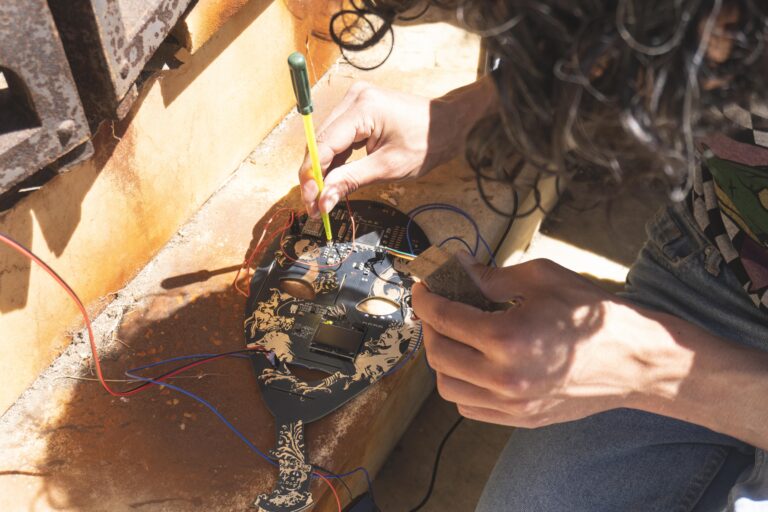 Photo: Martin Howse (c)
earth/MASQ je proširiv skup ezoterijskih računalnih protokola i instrumenata namijenjenih kolektivnom maskiranju i transformaciji ljudskih i neljudskih jezika i vokalizacija, u potpunosti uvjetovanih materijalnim svojstvima određenog zemaljskog mjesta i lokacije. earth/MASQ otvara ljudski govor, vokalizaciju i jezik drugim, stranim materijalnim procesima, lokalnim živim i neživim bićima te kozmičkim, atmosferskim i geološkim uvjetima mjesta.
Otvoreni laboratorij / radionica MASQ usmjeren je na razvoj niza izvedbenih protokola i hibridnih fizičkih i elektroničkih instrumenata koji polaze od višestrukih identiteta i značenja tehnološke MASKE te mogućnosti koje MASQ/K pruža za transformaciju ljudskog glasa u odnosu na geološke i atmosferske procese.
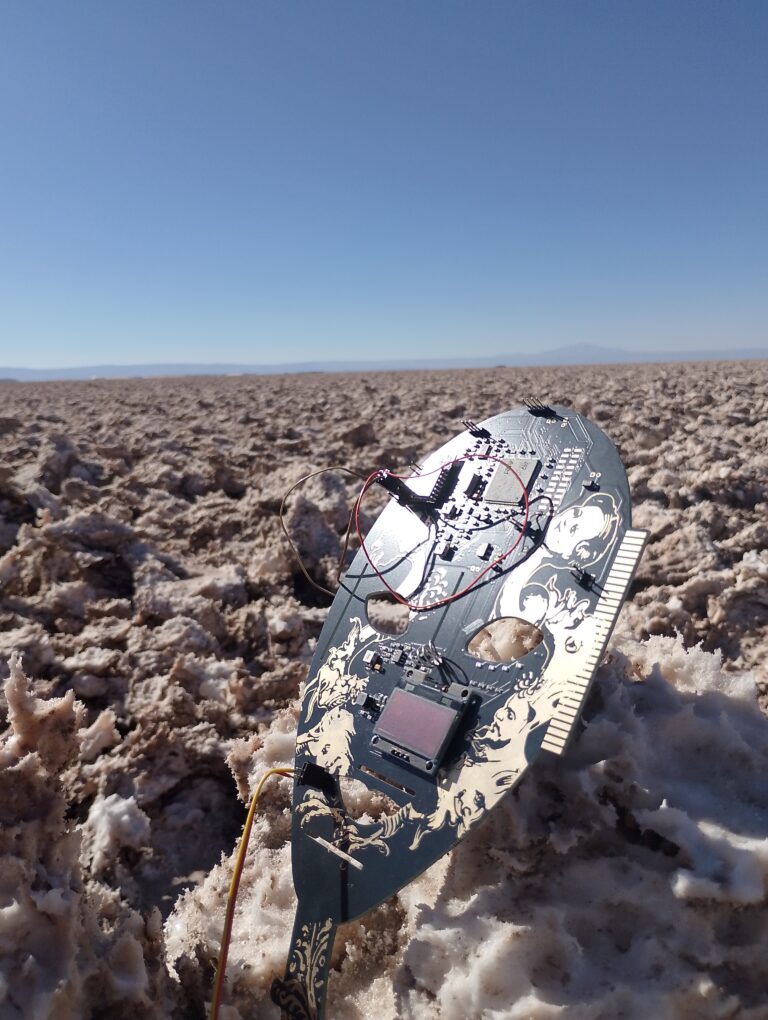 Photo: Martin Howse (c)
Instrumente MASQ razvijaju sami sudionici radionice. Njima će se ljudski govor i vokalizacija otvoriti drugim i stranim materijalnim procesima, drugim živim i neživim bićima te atmosferskim i geološkim pojavama.
Prijaviti se možete do ponedjeljka, 5. listopada 2026. točno u podne preko poveznice: https://forms.gle/cnbc7Kq2WE7X1WZE7
Za radionicu nije potrebno predznanje. Radionica je besplatna.
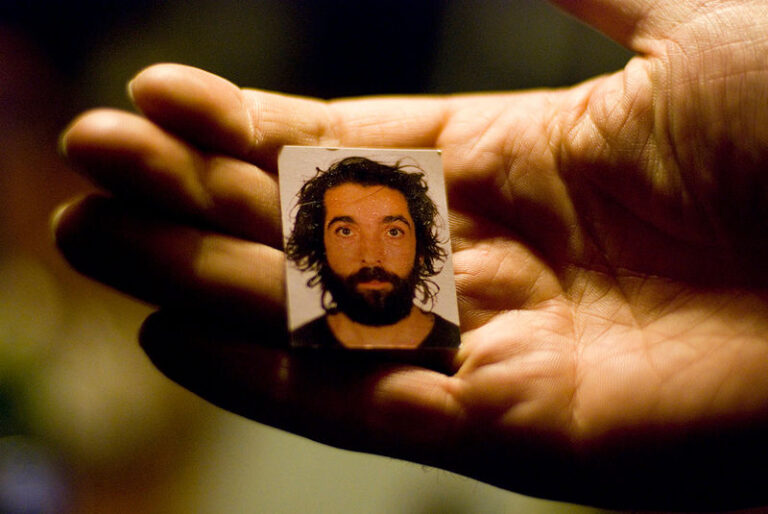 Photo: Martin Howse (c)
Martin Howse je britanski umjetnik, istraživač i eksperimentalni tehnolog čiji rad istražuje odnose između geoloških i geofizičkih fenomena, softvera, elektronike i ljudske psihe. Studirao je likovnu umjetnost na Goldsmiths Collegeu u Londonu, a njegova interdisciplinarna praksa obuhvaća zvuk, performans, instalaciju, eksperimentalni hardver i softver, pisanje te umjetničko istraživanje.
Od 1998. do 2005. vodio je ap, softversku performativnu grupu koja je radila s elektroničkim otpadom i razvijala rane pristupe digitalnom glitchu. Od 2007. do 2009. u Berlinu je organizirao redoviti program radionica, mikrorezidencija i salona, a potom je inicirao niz otvorenih laboratorijskih i suradničkih istraživačkih projekata.
Njegov je rad međunarodno predstavljen kroz izložbe, performanse, predavanja, radionice i rezidencije, među ostalim na festivalu transmediale i u Haus der Kulturen der Welt u Berlinu, V2_ u Rotterdamu, ICA London, TEA Tenerife te na Taipei Biennaleu. Godine 2005. njegov projekt ap0201, postavljen u pustinji Mojave, osvojio je prvu nagradu na međunarodnom natječaju VIDA 8.0 Art & Artificial Life.
Među njegovim dugoročnim projektima su serija modularnih sintesajzera ERD, eksperimentalna istraživanja računalnih sustava temeljenih na procesima Zemlje i radio-miceliju te Tiny Mining, projekt koji istražuje ekstrakciju tehnološki vrijednih minerala iz ljudskog tijela. Njegov noviji rad nastavlja dugogodišnje istraživanje materijalnih temelja računalstva te isprepletenosti tehnoloških, geoloških i bioloških sustava.
Podrška: Grad Zagreb / Ministarstvo kulture i medija Republike Hrvatske / Zaklada Kultura nova
////////////////////////////////////////////////////////////////////
Radiona.org invites you to the earth/MASQ workshop led by Martin Howse, taking place on Monday, 5 October 2026, from 6 PM at Radiona.
earth/MASQ is an extendible set of esoteric computation protocols and instruments for the collective masquerade manipulation and transformation of human and non-human languages and vocalisations, entirely conditioned by the material affordances of a specific earthly place and location. earth/MASQ opens up human speech, vocalisation and language to other, foreign material processes, to local living and non-living beings, and to the cosmic, atmospheric and geological conditions of place.
The MASQ open laboratory/workshop aims to develop a series of performance protocols and hybrid physical/electronic instruments based around the multiple identities and meanings of the technological MASK, and the possibilities that MASQ/K affords for altering the human voice in relation to geological and atmospheric processes.
The MASQ instruments are developed by the participants themselves. Through these instruments, human speech and vocalisation are opened up to other and foreign material processes, to other living and non-living beings, and to atmospheric and geological phenomena.
Applications are open until Monday, 5 October 2026 at exactly 12 noon via the following link: https://forms.gle/cnbc7Kq2WE7X1WZE7ž
No previous experience is required. The participation is free.
Martin Howse is a British artist, researcher and experimental technologist whose work explores relationships between geological and geophysical phenomena, software, electronics and the human psyche. He studied Fine Art at Goldsmiths College in London, and his interdisciplinary practice encompasses sound, performance, installation, experimental hardware and software, writing, and artistic research.
From 1998 to 2005, he led ap, a software performance group working with electronic waste and developing early approaches to digital glitch. From 2007 to 2009, he organised a regular programme of workshops, micro-residencies and salons in Berlin, before initiating a series of open laboratory and collaborative research projects.
His work has been presented internationally through exhibitions, performances, lectures, workshops and residencies, including at transmediale and Haus der Kulturen der Welt in Berlin, V2_ in Rotterdam, ICA London, TEA Tenerife, and the Taipei Biennial. In 2005, his project ap0201, installed in the Mojave Desert, received first prize at the international VIDA 8.0 Art & Artificial Life competition.
His long-term projects include the ERD series of modular synthesisers, experimental investigations into computational systems based on earth processes and radio mycelium, and Tiny Mining, a project exploring the extraction of technologically valuable minerals from the human body. His more recent work continues his long-standing investigation into the material foundations of computation and the entanglement of technological, geological and biological systems.
Supported by: City of Zagreb / Ministry of Culture and Media of the Republic of Croatia / Kultura Nova Foundation