The Codex Seraphinianus, created by Luigi Serafini in the late 1970s and published in 1981, is often described as one of the strangest books ever made. It presents itself as an encyclopedia, complete with chapters, diagrams, and detailed illustrations, yet everything it contains belongs to a world that does not exist.
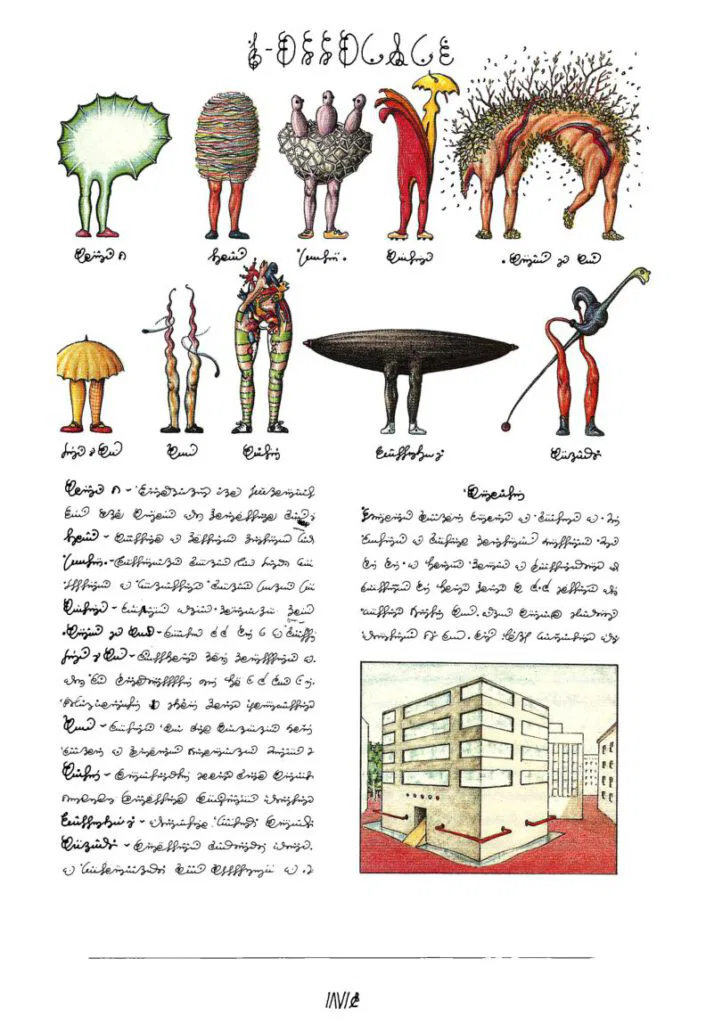
At first glance, the structure feels familiar. There are sections devoted to plants, animals, machines, architecture, and human life. But this familiarity quickly dissolves. The flora transforms into objects, animals mutate into other beings, and machines appear both delicate and incomprehensible. Everything seems to follow a logic, yet that logic always remains just out of reach.
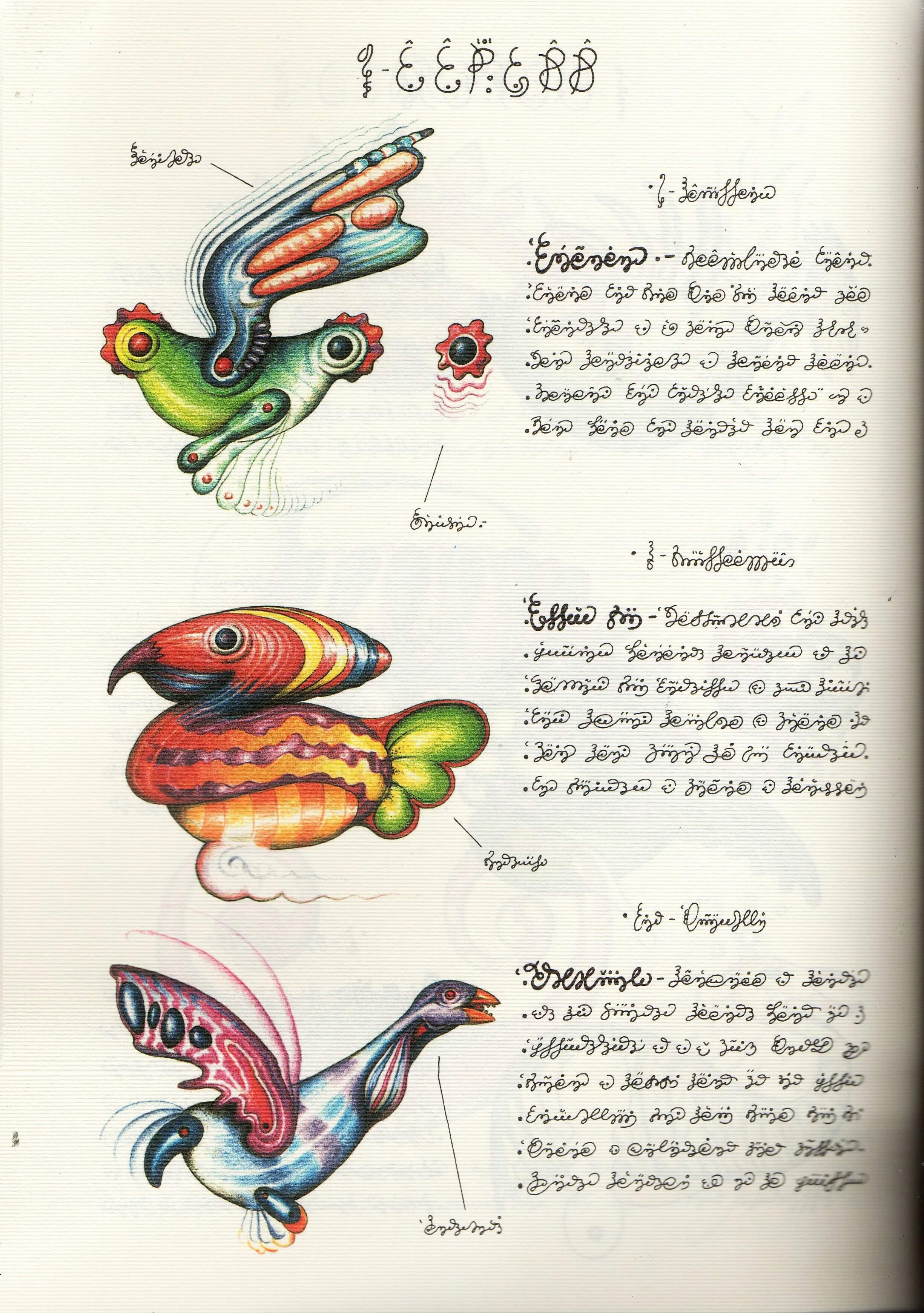
The text deepens this sense of disorientation. It looks like language, written in flowing lines and carefully constructed symbols, but it cannot be read. Serafini later explained that the writing is asemic, it carries no specific meaning. Instead, it is meant to evoke the feeling of encountering a book as a child: recognizing that it contains knowledge, but being unable to access it.
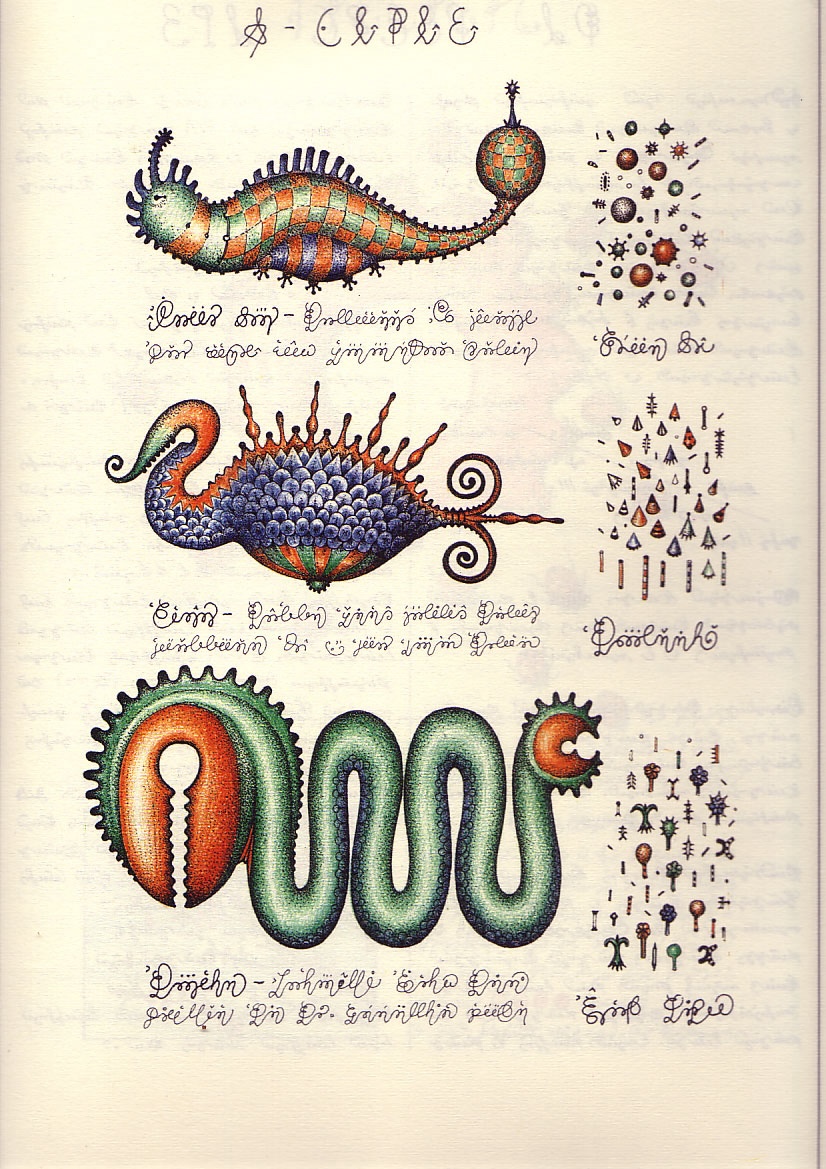
This is where the Codex becomes something more than an art object. It shifts reading into a different mode. Without the ability to decode the text, the reader turns to images, patterns, and intuition. Meaning is no longer given, it is constructed, guessed, felt. The book becomes an experience rather than a source of information.
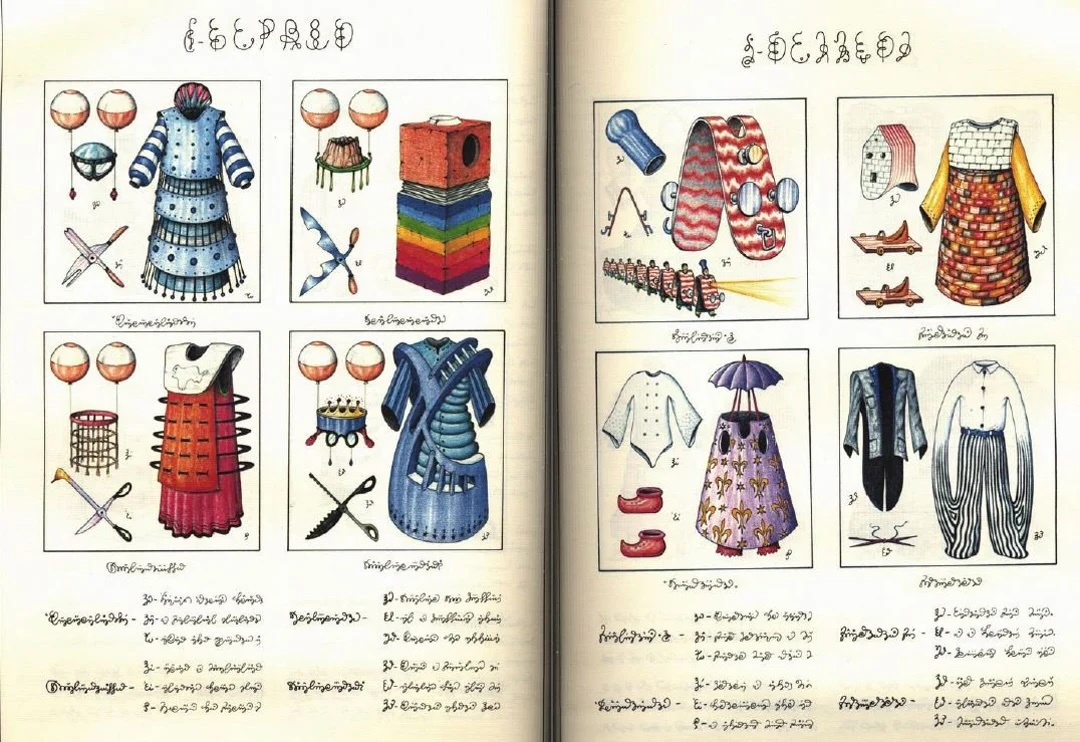
Despite its opacity, the Codex Seraphinianus has achieved a kind of cult status. It has been compared to mysterious works like the Voynich Manuscript, yet unlike those, its unreadability is intentional. It does not hide a secret waiting to be solved. It invites the reader to accept uncertainty and remain within it.
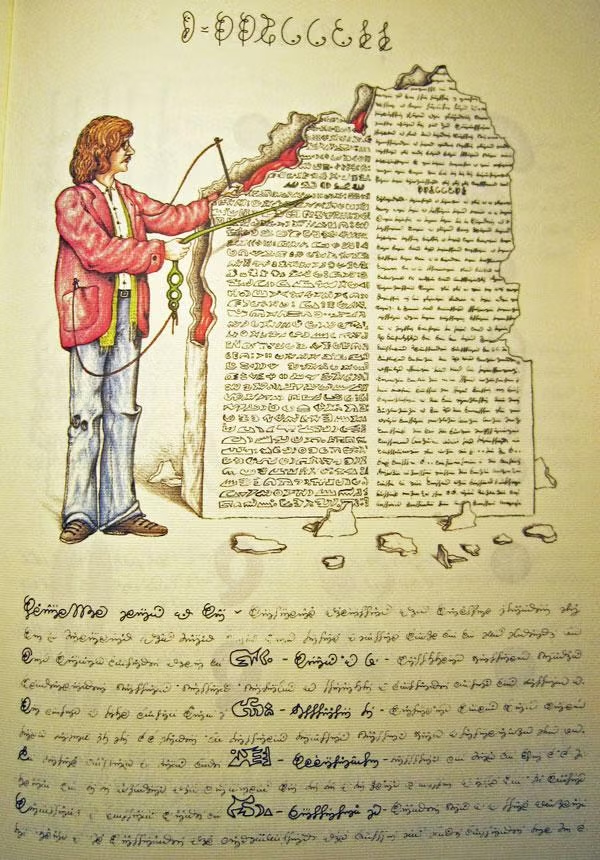
In a world increasingly driven by clarity, data, and constant interpretation, the Codex offers something rare: a space where not understanding is the point. It reminds us that knowledge is not always about answers, but sometimes about the experience of wondering.
Perhaps the Codex is readable after all, just not through formal language rules, but through our interpretation.
Radiona.org